
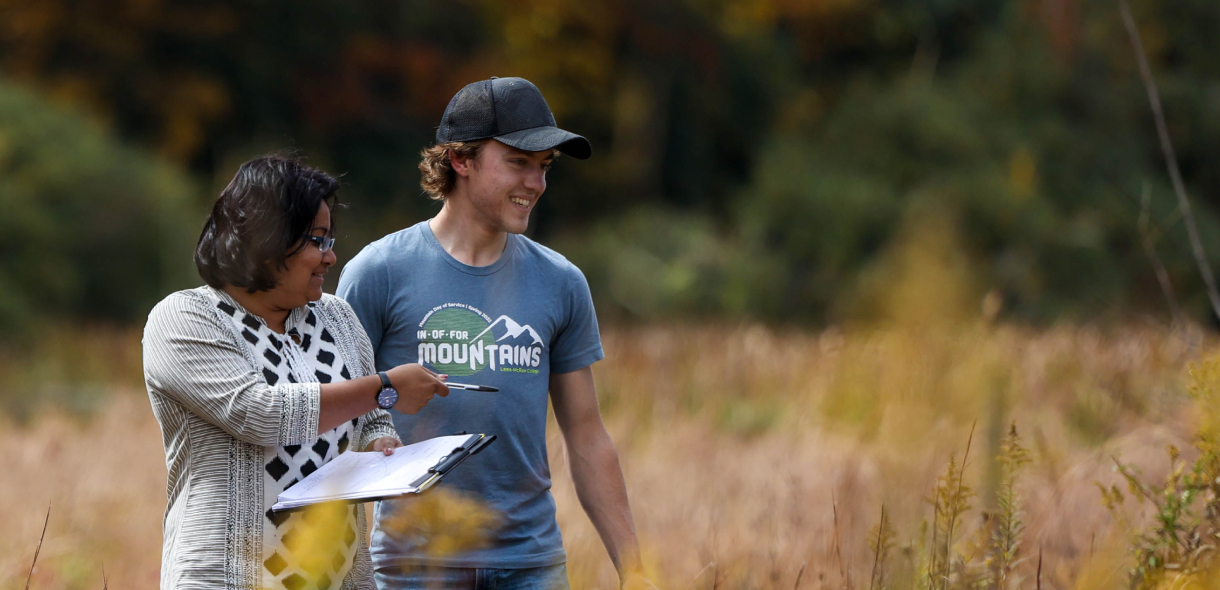
Master of Science in Wildlife Conservation Sciences
Wildlife Conservation Sciences
Now enrolling for Fall 2027
PROGRAM INFO
Degree:
Master of Science
Total Credit Hours:
30 Hours
Program Start:
August, January
Format:
Seated or Hybrid
Program Duration:
2 Years
Why get your Wildlife Conservation Master of Science degree at Lees-McRae?
Designed for students with undergraduate experience in wildlife biology, ecology, environmental science, and natural resource management, the college’s Master of Science in Wildlife Conservation Sciences prepares students to address contemporary conservation challenges such as biodiversity loss, climate change, human-wildlife conflict, and more. Through coursework in ecological theory, wildlife and habitat management, and environmental policy, graduates from the Wildlife Conservation Sciences program will be prepared for careers in fields such as wildlife conservation, environmental consulting, and natural resource management.
Course Map
This 30-credit non-thesis master’s program provides students with advanced, career-focused training that prepares them for leadership roles in wildlife conservation, ecological management, and natural resource agencies. The program curriculum offers courses in a variety of subjects including conservation biology, GIS (geographic information system) mapping, wildlife law, landscape and climate change ecology, and more. The program also includes the completion of a professional conservation capstone, where students will produce a professional paper or report on a topic within the field.
Upon graduation from the program, students will be prepared to, among other skills, apply advanced ecological theory to conservation problems, utilize GIS and spatial modelling for conservation planning, develop science-based wildlife management strategies, and interpret and apply wildlife policy.
The degree program can be completed in four semesters, with each course lasting 16 weeks. New cohorts begin in August and January, allowing students to start in either the fall or spring semester. Regardless of their start date, all students follow the same course sequence and schedule.
Schedule of Courses:
Program Format
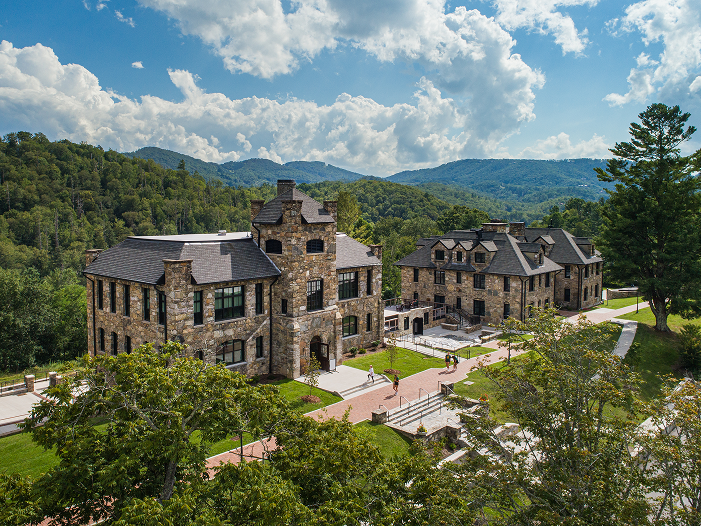
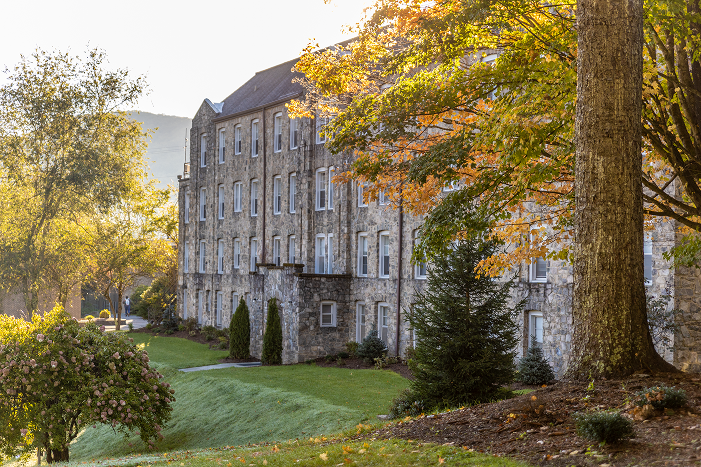
Hybrid: The degree is offered exclusively on the main campus in Banner Elk, NC, with some courses delivered virtually. Students may choose to live in campus housing and purchase a meal plan. Commuter students are also welcome. A comprehensive fee is required for all students enrolled in the program, regardless of whether they live on campus.
Career Outlook
The Master of Science in Wildlife Conservation Sciences prepares graduates for a variety of higher-level professional and research-oriented positions in wildlife conservation and environmental stewardship. Common fields for professionals with this academic background include the following:
- Environmental conservation
- Environmental stewardship
- State and federal wildlife agencies (U.S. Forest Service, National Park Service, etc.)
- Environmental consulting firms
- Natural resource management

Elevated Education. Professional Preparation. Peak Experience.

Elk Valley Preserve
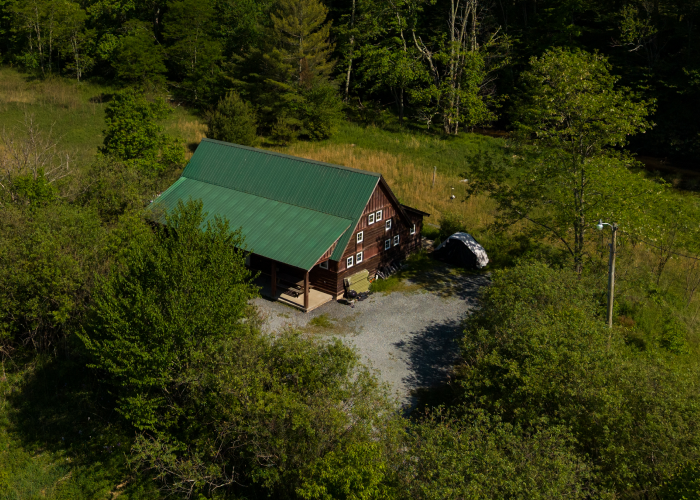
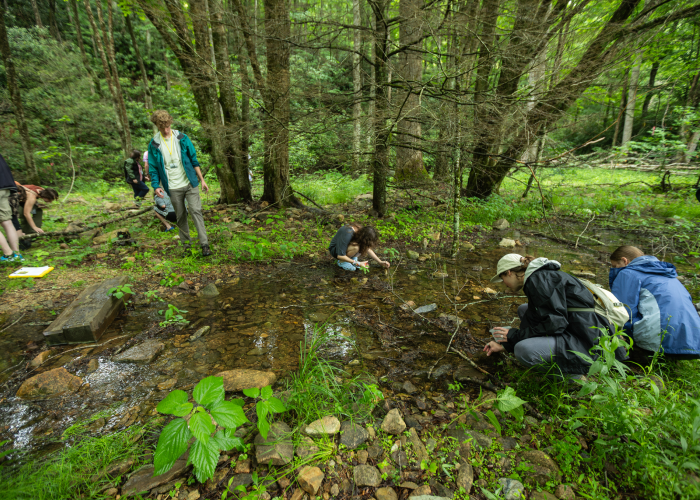
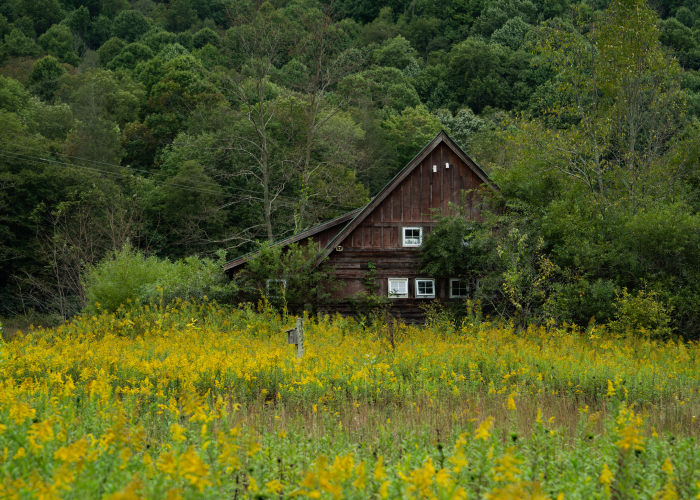
The Elk Valley Preserve and Field Station occupies 70 acres of environmentally protected land just down the road from the center of Lees-McRae campus. This natural landscape features various habitats, including wetlands, the Elk River, forests, and grassy fields, where the world-class Field Station acts as a central hub for student and faculty research. The variety of the Preserve’s landscape means it is home to countless native species and serves as a microcosm for the wildly diverse Southern Appalachian ecosystem. This diversity makes it an ideal setting to conduct scientific studies and habitat analysis.
In the Elk Valley Preserve and at the Field Station, students are given the freedom to lead their own research projects, experience that prepares them for advanced degrees and professional careers in the field.
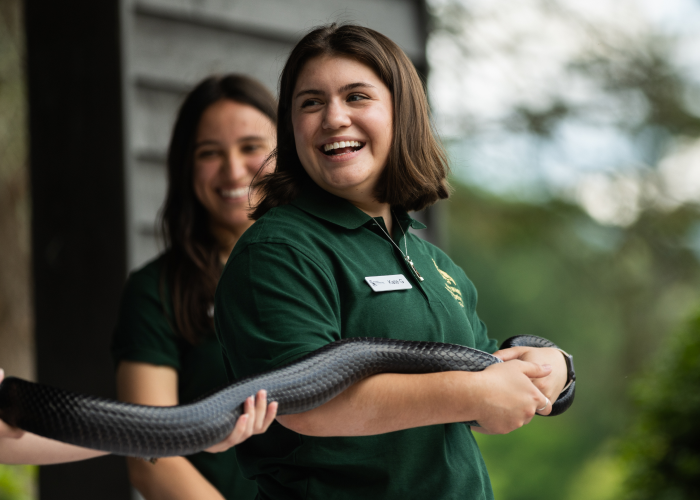
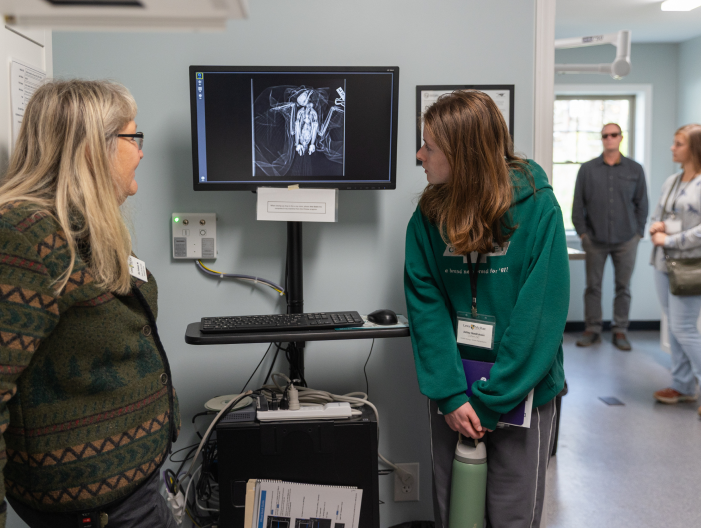
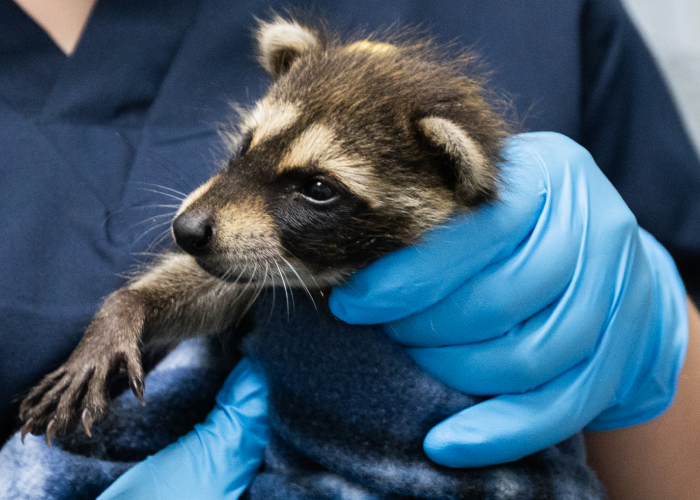

May Wildlife Rehabilitation Center
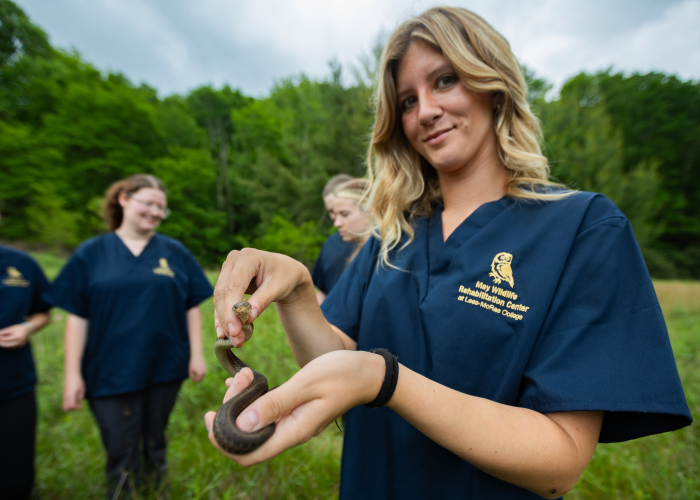
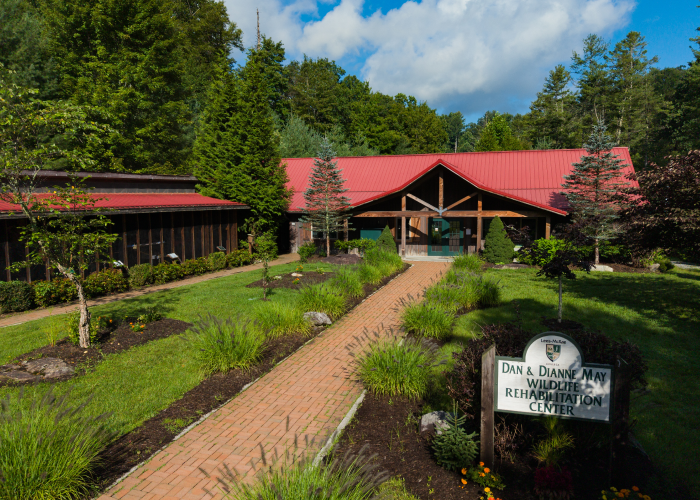
The Dan and Dianne May Wildlife Rehabilitation Center is a world-class animal rehabilitation center and the only such center on a college campus in the country. With two full-time veterinarians and plenty of experienced rehabbers on staff, students not only learn from professionals but work alongside them gaining invaluable hands-on experience caring for injured and orphaned wildlife. With nearly 2,000 patients each year, students working at the Center work with all kinds of animals from the Southern Appalachian region, from raptors and songbirds to rabbits and snakes.
Boasting traditional learning spaces combined with operating rooms with observation space, intensive care rooms for healing animals, and an X-ray suite, the rehabilitation center is as much about teaching the next generation of animal healers as it is about healing wildlife itself.
According to the U.S. Bureau of Labor Statistics, zoologists and wildlife biologists earn a median annual salary of $76,780, while conservation scientists earn $73,010. A master’s degree can open doors to advanced conservation careers, where experienced professionals can earn more than $110,000 annually.
Requirements for Admission
Applicants should have:
- A completed application to Lees-McRae (fee waived)
- BA or BS from an institution accredited by a U.S. Department of Education recognized accrediting agency (all disciplines welcome)
- Cumulative GPA of 2.5 or higher (on a 4.0 scale)
- Official transcript of all undergraduate colleges or universities attended
- Transcript of any previous master's degree work if applicable
- One-page written statement of purpose describing the applicant's career goals and how the Master of Science in Wildlife Conservation Sciences will help the applicant achieve those goals. Applicants may choose to schedule a personal interview with a member of the Graduate Admissions staff in lieu of a written statement. Click HERE to schedule a virtual appointment.
- One letter of recommendation from an academic source.
Applicants are not required to submit GRE or MAT scores.
Cost and Discounts
Tuition for this graduate program is $590 per credit hour. Students are eligible to apply for the following scholarships:
- Professional Leader’s Scholarship
- Alumni Scholarship
- Graduate Assistant Award
- Graduate Achievement Scholarship (GPA 3.2–3.5)
- Graduate Excellence Scholarship (GPA 3.6 and higher)
Contact

Janae Tyson
Director of Graduate Admissions
admissions@lmc.edu