Conservation Heroes: Destiny Lepera
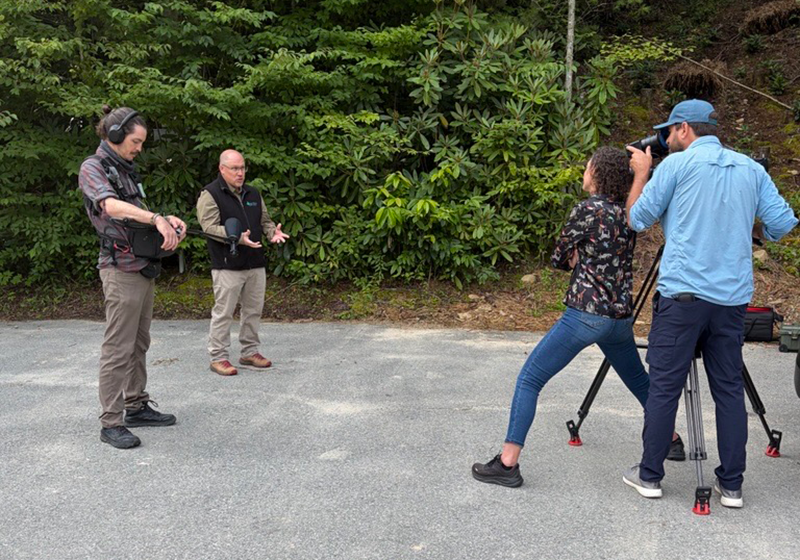
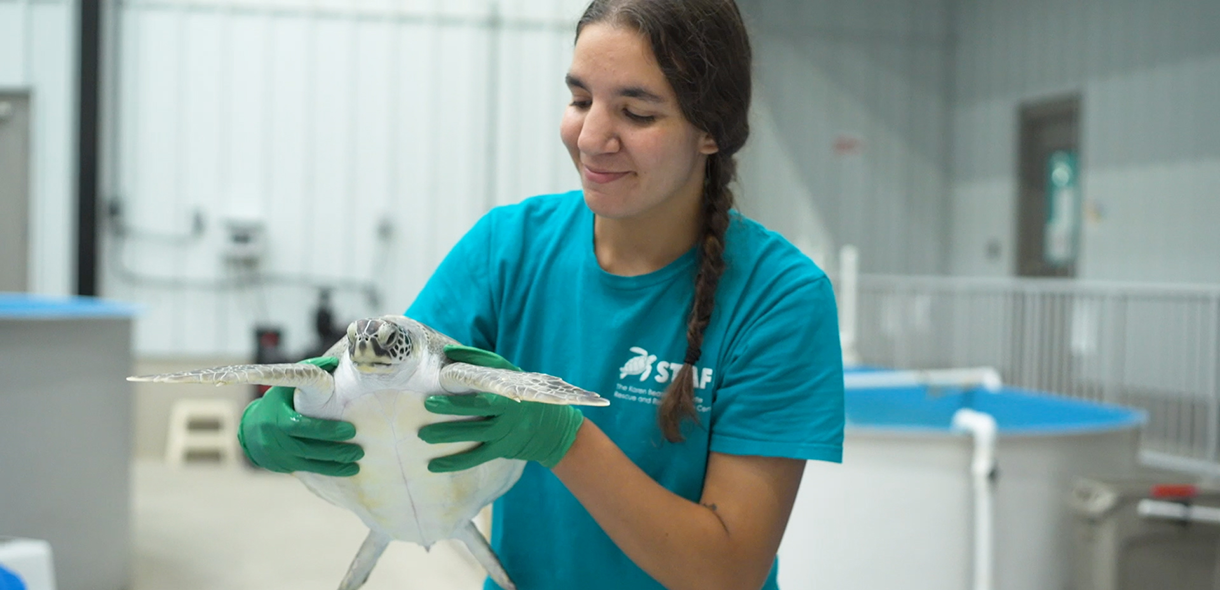
Episode three of “Jeff Corwin's Southern Wild,” airing this Saturday, Oct. 17, stars Destiny Lepera, a senior majoring in Wildlife Biology with a specialization in Wildlife Rehabilitation. In this week’s episode, “From Wings to Waves,” Lepera takes Corwin and the team behind the scenes at the Karen Beasley Sea Turtle Center in Surf City, where she completed an internship this past summer.
Throughout her internship Lepera got hands-on with all areas of sea turtle conservation, from monitoring and protecting nests, to caring for injured turtles in the facility’s rehabilitation center, to releasing healed patients back into the wild. We talked with Lepera about her experience filming the show, and what it really takes to ensure healthy and happy sea turtle populations for generations to come:
Tell me about the topic you covered with Jeff on “Jeff Corwin’s Southern Wild.”
During my time with Jeff Corwin on “Jeff Corwin’s Southern Wild,” we focused on sea turtle rehabilitation and conservation. We talked about recovery and what that can look like for some of the patients, because sea turtles can come into the hospital for many different reasons, and recovery is not going to look the same for every turtle. We also talked about the release process and what it can look like when a turtle has recovered and is ready to return to the ocean. We touched on the conservation side of things as well and some of the work that takes place out on the beach to help protect sea turtles. It was really cool to be able to talk about the different sides of sea turtle conservation, from what happens inside the rehabilitation hospital to eventually returning a healthy turtle back to the wild and the work being done out on the beach.
What is the most important thing for people to understand about this topic?
One of the most important things for people to understand is how much time, teamwork, and care truly goes into protecting and rehabilitating sea turtles. There are a lot of long hours that happen behind the scenes, whether that means being up early in the morning to care for the turtles in the hospital or spending late nights and early mornings out on the beach monitoring and looking for nests. The work can range from directly caring for sea turtles in the hospital to educating the public and monitoring nesting activity on the beach. There are so many people involved, from staff and volunteers to nest monitors, who put in a lot of time and effort toward the same goal, which is to protect sea turtles and give them the best chance possible.
How do you feel that the work you do makes you a Conservation Hero?
It is truly rewarding to have the work I did this summer recognized in that way. This summer, I had the opportunity to be involved in so many different parts of sea turtle conservation, from directly helping care for sea turtles in the hospital to working with nesting sea turtles and educating the public. I was able to see firsthand how all of these different parts come together to help protect them. Being considered a Conservation Hero for work that I am so passionate about means a lot to me, especially because this is something I hope to continue doing in the future.